The Power of Texture: Using Unique Materials for Eye-Catching Landscapes Feb 13, 2026
Landscaping is an art, and like any artistic endeavor, it benefits tremendously from the creative use of different mediums and materials. Textural variety in a landscape can be achieved through several means, including the thoughtful selection of plants, the incorporation of various hardscaping materials, and the strategic use of color and contrast.
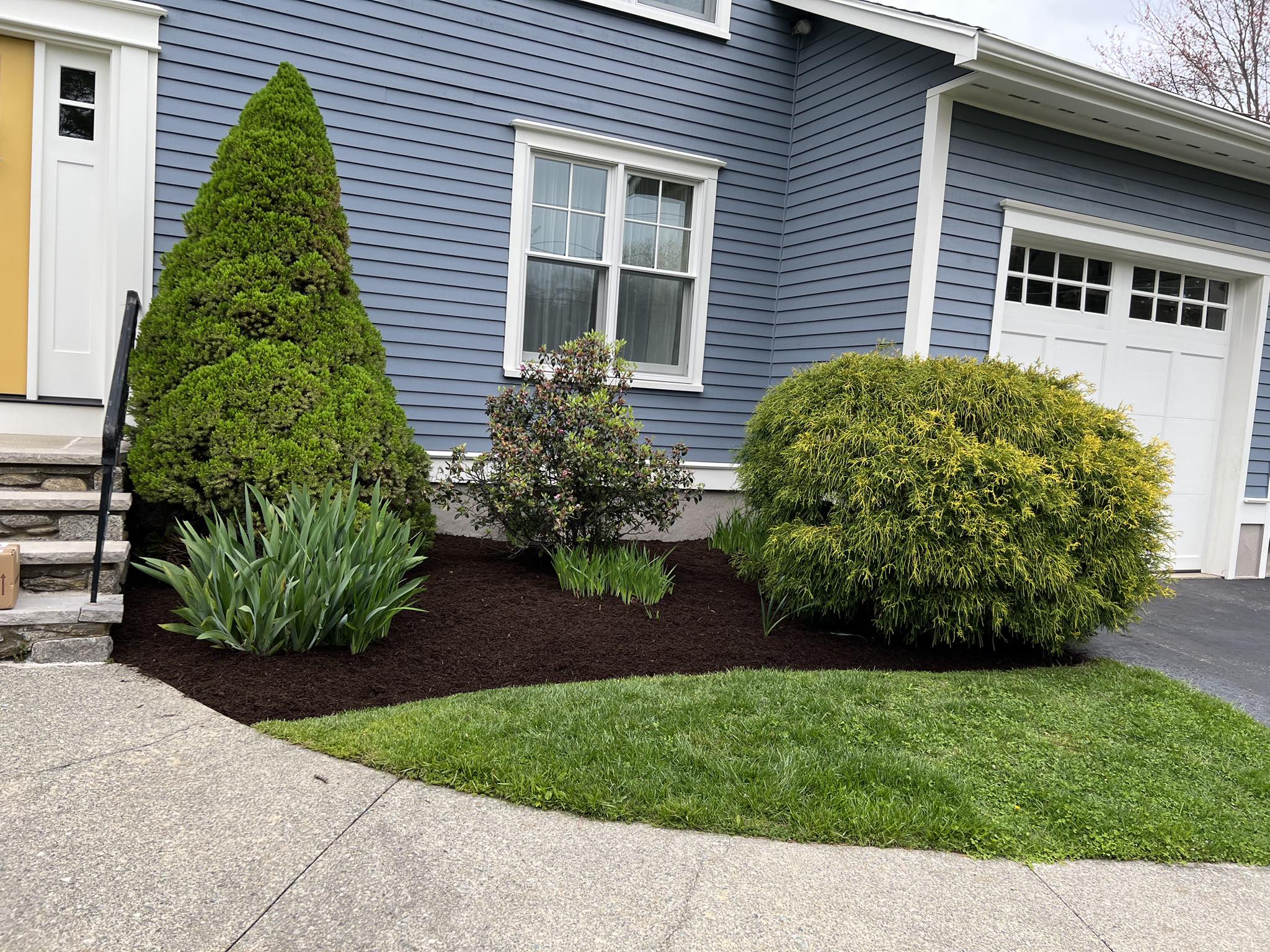
Start with plants, as they are the living textures in your landscape. Think about how different foliage types, such as the broad leaves of hostas or the fine, feathery fronds of ferns, can create a layered and dynamic look. By combining plants with contrasting textures, you can enhance visual interest and depth. Grasses with wispy, flowing blades can complement the bold, geometric shapes of succulents, providing a striking textural contrast.
Next, consider hardscaping elements such as stone, wood, and metal. Each of these materials offers its own textural qualities. Natural stone can add a rustic and organic feel, while polished stones bring a sleek, modern touch. Wooden elements, whether in the form of garden beds or fences, introduce a warmth and texture that is welcoming and familiar. Metal, on the other hand, can provide a contemporary edge with its sleek surface and can be used for garden sculptures or fixtures.
Mixing these materials smartly allows them not only to complement one another but also to serve as focal points that draw the eye and ground the space. For example, using a mix of smooth river rocks alongside jagged slate in a garden path provides a vivid contrast and tactile interest. Similarly, a patio with mixed textures of wood and stone instantly becomes more intriguing and inviting.
The use of texture in landscaping extends beyond just visual appeal—it also plays a role in influencing how a space is used and experienced. Consider a gravel path that crunches underfoot, adding an auditory element to the experience of moving through the garden. Even the tactile sensation of walking barefoot across different surfaces—such as a smooth wooden deck versus a grassy lawn—creates a deeper connection with the environment.
Finally, don’t underestimate the power of using texture to solve practical issues. For example, textured surfaces can enhance safety in areas prone to getting slippery, or they can create pervious areas that improve drainage in your garden.
By carefully planning and incorporating the power of texture through unique materials, D.S. Landscaping & Construction can help you create outdoor spaces that are not just functional, but incredibly captivating and enjoyable. Whether you're looking to engage the senses or simply want to enhance your home's curb appeal, the thoughtful mix of textures can be your secret weapon in crafting a landscape that truly stands out.
/filters:no_upscale()/filters:format(webp)/media/d4c7fe34-f07f-44fe-8ab5-d29a013be15e.jpeg)
/filters:no_upscale()/filters:format(webp)/media/724894ee-4a04-4931-9bc1-0c679a0596f5.jpeg)