The Journey to Eco-Excellence: Sustainable Landscaping Practices for the Modern Home Jul 27, 2026
The journey to sustainable landscaping begins with selecting the right plants. Native plants, which are naturally adapted to the local climate, require less water, fertilizer, and pesticides. This reduces reliance on synthetic chemicals, supporting local biodiversity and providing habitats for native wildlife. At D.S. Landscaping & Construction, we recommend incorporating drought-tolerant species where applicable to further minimize water use without sacrificing beauty.
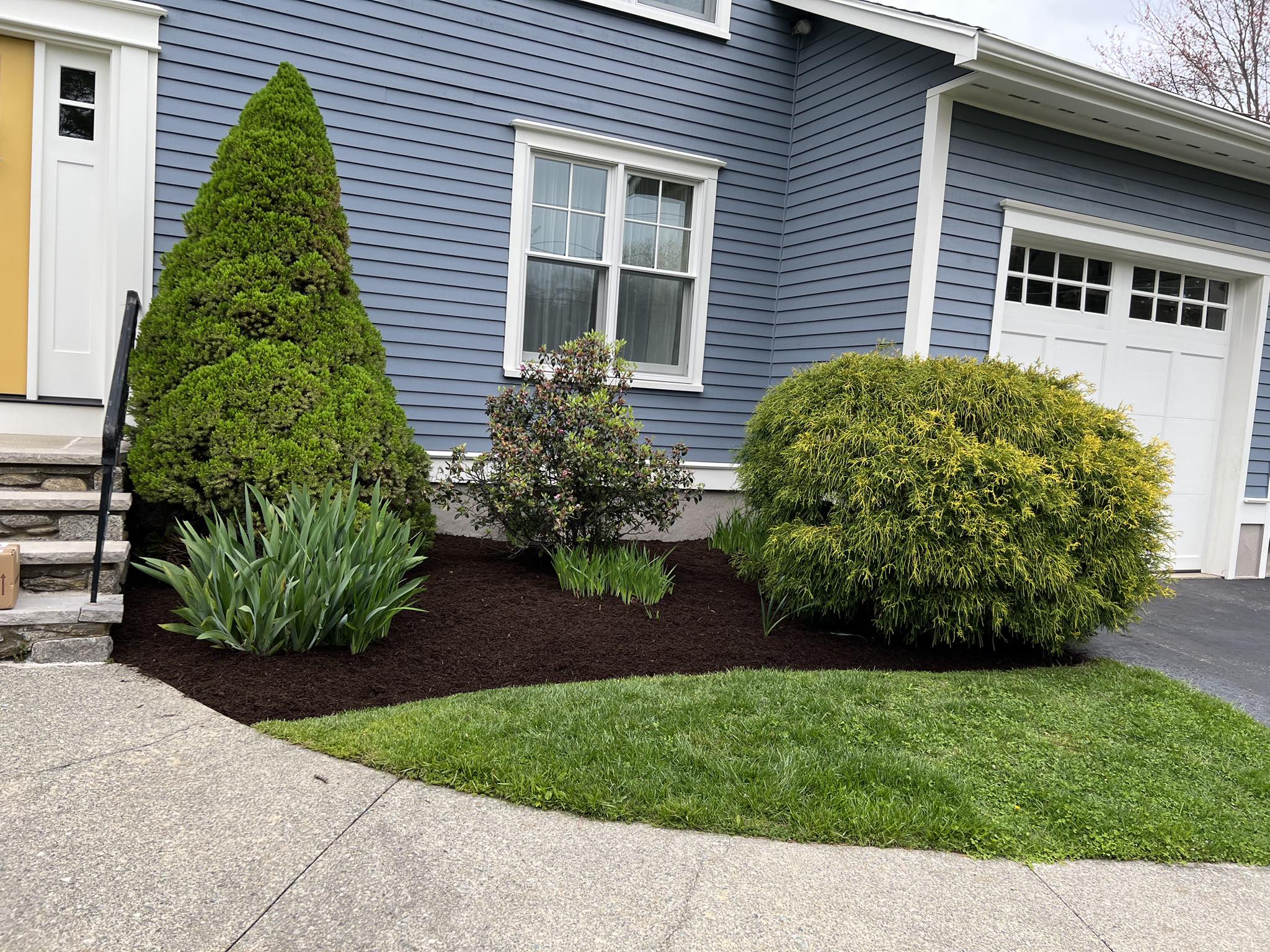
Conserving water is another cornerstone of eco-friendly landscaping. Implementing smart irrigation systems can significantly reduce water usage. These systems, equipped with sensors and timers, ensure your garden receives the optimal amount of water at the right time, minimizing waste. Additionally, techniques such as mulching play a critical role. By covering soil with organic materials like bark or straw, mulching helps retain moisture, suppress weeds, and improve soil health over time.
Choosing sustainable landscaping materials is equally important. Opt for materials like reclaimed wood, recycled stone, and permeable pavers. Permeable materials allow rainwater to seep through, reducing runoff and promoting groundwater recharge. D.S. Landscaping & Construction places emphasis on these eco-friendly options, ensuring your landscape is both functional and environmentally conscious.
Composting is a valuable practice that turns yard waste into nutrient-rich soil amendments. Instead of sending grass clippings and leaves to the landfill, composting recycles these materials into the soil, enhancing its structure and fertility. This practice reduces the need for chemical fertilizers and supports the cycle of life in your garden. By incorporating composting areas into your landscape design, you can further commit to reducing your environmental footprint.
Another crucial aspect of sustainable landscaping is energy efficiency. Thoughtfully placed trees and shrubs can provide shade, reducing the need for air conditioning in warmer months and saving energy costs. Similarly, positioning windbreaks around your home can minimize heat loss during the colder months, providing natural insulation.
To truly embody eco-excellence, consider integrating renewable energy sources like solar lighting in your outdoor design. Solar-powered lights harness natural energy, eliminating the need for electricity and lowering your carbon footprint. These features not only enhance the ambiance of your garden at night but also demonstrate your commitment to sustainable living.
In conclusion, the transformation to an eco-friendly landscape is a rewarding journey that combines beauty, functionality, and sustainability. By adopting practices such as native plant integration, water conservation, sustainable material usage, and energy efficiency, homeowners can play a pivotal role in protecting our planet. At D.S. Landscaping & Construction, we are committed to guiding you every step of the way in creating landscapes that are both stunning and sustainable. Embrace the path to eco-excellence and witness your garden flourish in harmony with nature.
/filters:no_upscale()/filters:format(webp)/media/d4c7fe34-f07f-44fe-8ab5-d29a013be15e.jpeg)
/filters:no_upscale()/filters:format(webp)/media/724894ee-4a04-4931-9bc1-0c679a0596f5.jpeg)