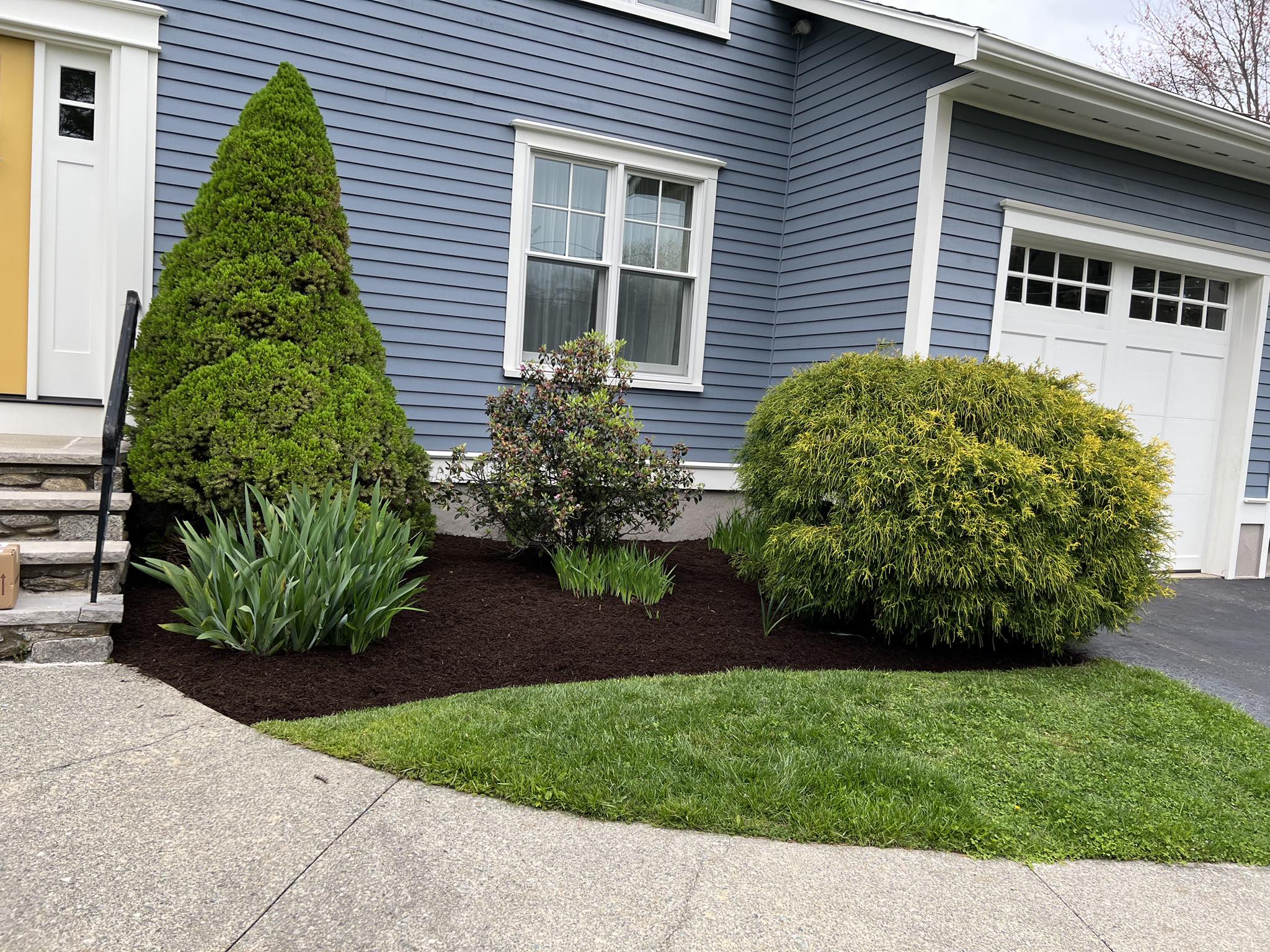
The Future of Urban Greenery: Designing Compact Gardens with Biodiverse Micro-Habitats Jul 02, 2026
Begin by assessing the available space and identifying areas that can support greenery. A well-planned compact garden starts with understanding your landscape's potential, taking note of sunlight patterns, wind exposure, and water availability. Once you've mapped these out, you can better decide which native plant species will thrive. Choosing local flora is not only sustainable but fosters a beneficial ecosystem, attracting pollinators like bees and butterflies, which are crucial for maintaining plant health and productivity.
Layered plantings can maximize both vertical and horizontal space utilization, making them ideal for urban gardens. Incorporate a variety of plant heights and types, from low-lying ground covers to shrubs and small trees, creating a visually appealing and functional landscape. Vertical gardens are another excellent way to enhance biodiversity while making efficient use of limited space. By installing trellises or green walls, you can grow climbing plants that provide natural shelter and food sources for urban wildlife.
In the construction of compact gardens, water management is an essential consideration. Implementing rain gardens or installing permeable paving options can help manage stormwater runoff, reducing the risk of urban flooding while sustaining plant life. Moreover, these features facilitate the preservation of biodiversity by providing necessary moisture for a variety of organisms.
Another vital aspect of compact gardens is the integration of hardscaping elements. Paths, patios, and retaining walls not only serve functional purposes but also contribute to the garden's overall appeal. At D.S. Landscaping & Construction, we advocate for sustainable hardscaping solutions, such as using recycled materials, to reduce environmental impact. Incorporating elements like rocks or wooden logs can create habitats for insects and small animals, further contributing to biodiversity.
Sustainable gardening practices are essential for maintaining these green spaces. Regularly tending to your compact garden by using organic fertilizers and avoiding chemicals will promote a healthy environment for both plants and wildlife. Consider installing bird feeders or insect hotels to support and attract various species, enhancing the vibrancy and function of your garden.
Ultimately, designing biodiverse micro-habitats within urban gardens offers numerous benefits. They not only improve air quality and reduce heat island effects but also encourage community interaction and individual well-being. A thoughtfully planned compact garden transforms even the smallest of spaces into thriving, eco-friendly retreats.
At D.S. Landscaping & Construction, our mission is to guide and support you in creating these green sanctuaries. Whether you're interested in developing a personal retreat or enhancing the ecological integrity of your neighborhood, our expertise in landscaping and hardscaping will turn your vision into reality. Embrace the future of urban greenery today, and watch as your compact garden grows into a dynamic, living masterpiece.
/filters:no_upscale()/filters:format(webp)/media/d4c7fe34-f07f-44fe-8ab5-d29a013be15e.jpeg)
/filters:no_upscale()/filters:format(webp)/media/724894ee-4a04-4931-9bc1-0c679a0596f5.jpeg)