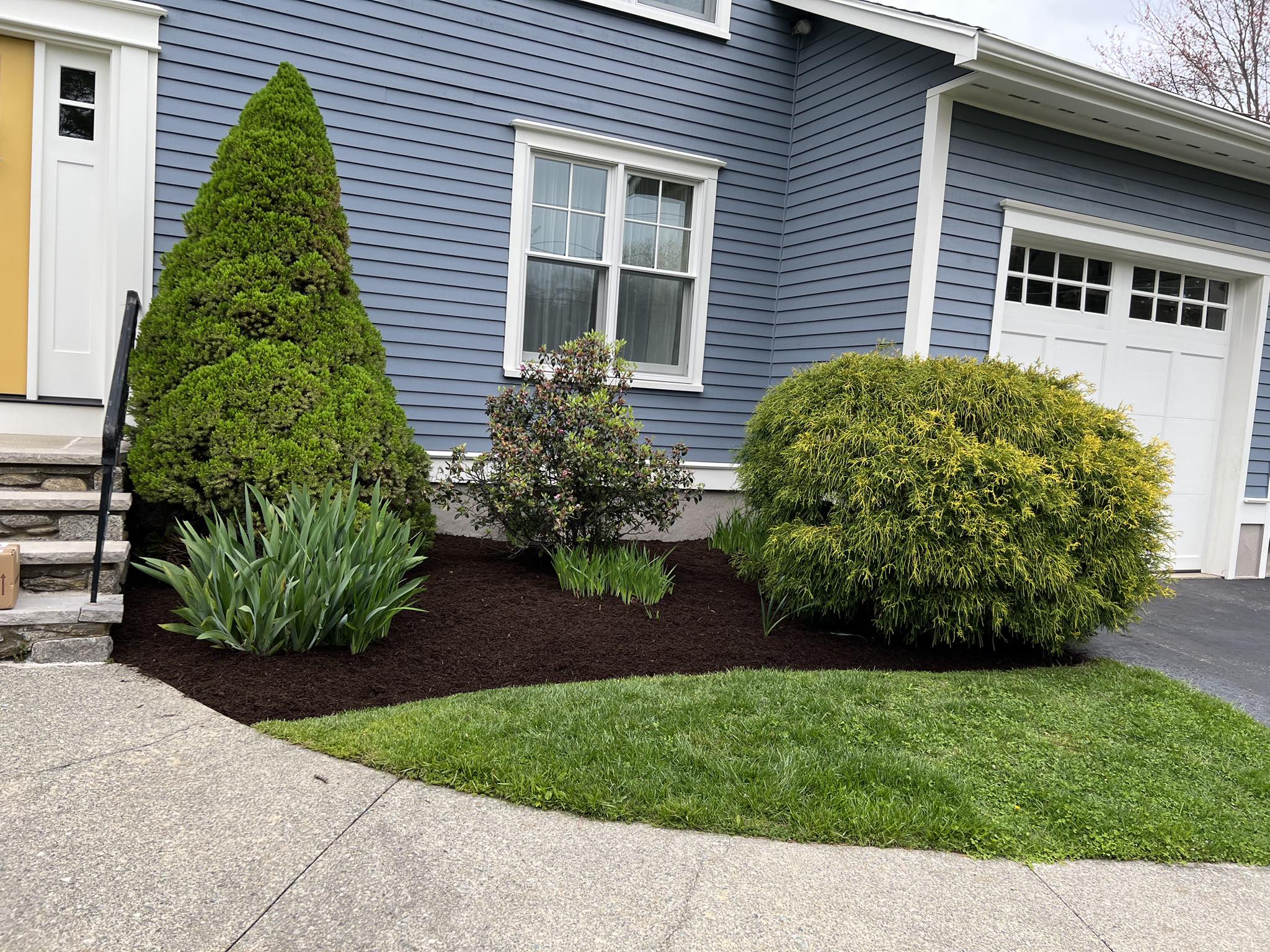
Mindful Pathways: Designing Thoughtful Walkways to Transform Flow and Movement Jul 15, 2026
Walkways are often the first impression of your home, setting the tone for what lies beyond. They guide visitors, ensuring smooth access to different areas, and when designed thoughtfully, can even dictate the mood of your outdoor space. Creating a path is more than just laying down stones; it’s about designing an experience that complements the characteristics of your landscape and fulfills your specific needs.
Understanding the natural flow of your space is crucial in designing effective walkways. Analyze the existing traffic patterns – where do you and your guests typically walk? Which paths are intuitive? This understanding will help you create paths that feel natural and enhance usability. When planning your design, consider the destination and function of each pathway. Is it leading to a peaceful garden corner, a fire pit, or perhaps the poolside? Each destination can inspire a different style or material choice that aligns with its specific purpose.
Materials play a vital role in the aesthetics and durability of your walkway. From classic brick to elegant stone, or even eco-friendly permeable pavers, the selection depends on a balance of style, climate suitability, and maintenance considerations. A well-chosen material can resist the wear of weather while providing a safe, slip-resistant surface. For instance, flagstone offers a beautiful finish that also withstands the test of time and weather changes, making it a popular choice for many homeowners.
Integrating landscaping features into your pathway design adds layers of interest and functionality. Consider incorporating planters, lighting, or water features alongside your paths. Solar lights not only highlight the walkway at night but also enhance the visual dimension, ensuring safety without detracting from aesthetic appeal. Additionally, strategically placed plants can soften hard edges, while fragrant herbs or flowers can introduce an engaging sensory element.
Curved walkways are another design element that adds sophistication and intrigue to your garden. These winding paths can make small spaces appear larger and provide a more exploratory experience, encouraging visitors to leisurely explore the surroundings. Curves naturally slow the pace of movement, inviting relaxation and contemplation.
In conclusion, designing mindful pathways requires a thoughtful consideration of flow, material, and features. At D.S. Landscaping & Construction, our mission is to create walkways that are more than mere connections between spaces. We aim to transform and enhance the outdoor living experience, ensuring that every step taken on these paths brings joy and appreciation for the beauty of the environment.
By integrating these principles into your landscaping projects, you not only improve the functionality and appearance of your property but also elevate the quality of your outdoor life. Carefully crafted pathways have the power to change how you and others perceive and interact with your surroundings, creating lasting impressions and a true extension of your home’s character.
/filters:no_upscale()/filters:format(webp)/media/d4c7fe34-f07f-44fe-8ab5-d29a013be15e.jpeg)
/filters:no_upscale()/filters:format(webp)/media/724894ee-4a04-4931-9bc1-0c679a0596f5.jpeg)