Lush Layers: Mastering the Art of Textured Planting for Stunning Visual Appeal Jul 11, 2026
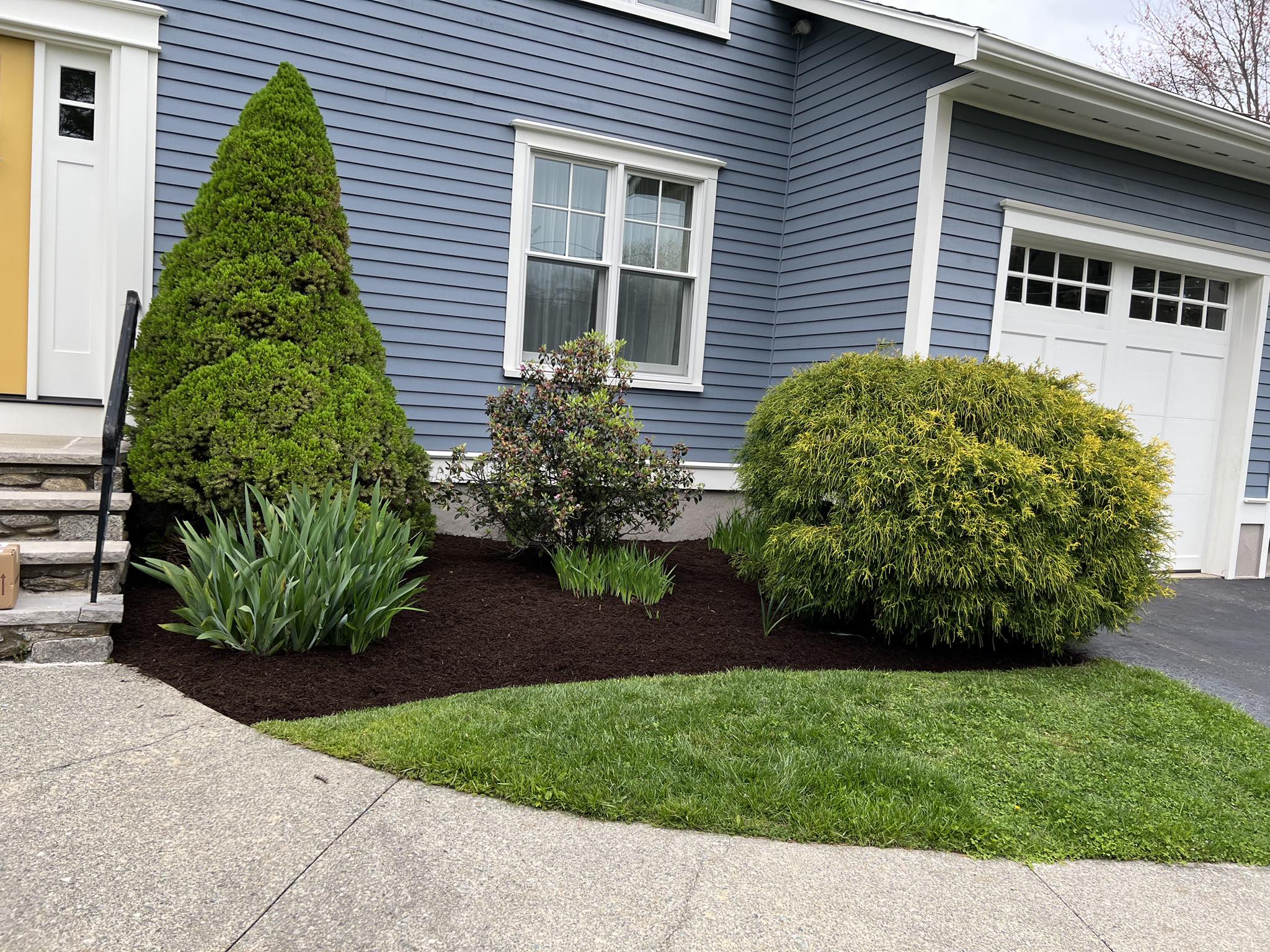
Begin by understanding the concept of texture in landscaping. Plant texture refers to how the surface of a plant feels and looks, which can range from fine and delicate to coarse and bold. Plants with fine texture, such as ornamental grasses and ferns, have small leaves or branches that create a light and airy feeling. Coarse textured plants, like hostas or elephant ears, have larger leaves and bring a dramatic and grounding effect to the garden.
The first step in mastering textured planting is to plan your layout with contrast in mind. By juxtaposing plants with different textures, you can highlight each plant’s unique characteristics and prevent your garden from appearing monotonous. For instance, placing a feathery maidenhair fern next to a broad-leafed caladium can create an engaging visual contrast that draws the eye and adds interest.
Variety is key, but balance should not be overlooked. While it’s important to include a mix of plant textures, strive for a harmonious blend rather than a chaotic clash. Consider the overall theme and setting of your garden. A modern landscape might benefit from a minimalist approach with subtle textural contrasts, whereas a cottage garden can afford to be a bit more exuberant with bolder combinations.
Incorporating vertical layers is another effective technique to enhance texture in your outdoor space. Use tall, upright plants at the back or center of a bed to create height, while medium and low-growing plants occupy the middle and front underlayers. This approach not only adds depth but also ensures that each plant receives adequate sunlight and displays its full splendor.
Seasonal considerations play a crucial role in textured planting. Opt for plants that maintain their aesthetic appeal year-round. Evergreens provide a constant in the colder months, while ornamental grasses and flowering perennials can fill seasonal gaps with color and interest. This ensures your garden remains vibrant and visually appealing regardless of the time of year.
Maintenance is another critical aspect to consider. Different textures often require varying levels of care and resources. Fine-textured plants may be less wind-resistant and require more frequent watering, while coarser plants might need more space to accommodate their growth. Understanding these needs will help you maintain a healthy and thriving landscape.
Finally, remember that textured planting is an art form that evolves with your garden. Engage regularly with your space, experimenting with new plants and combinations as seasons change. At D.S. Landscaping & Construction, we value the dynamic beauty of gardens and are here to assist you in every step of your landscaping journey.
Transforming your garden into a masterpiece of texture doesn’t have to be overwhelming. By applying these principles, you can cultivate a landscape that is both beautiful and sustainable. As you embark on this creative endeavor, enjoy the process and watch your garden flourish into a true reflection of nature’s diverse canvas.
/filters:no_upscale()/filters:format(webp)/media/d4c7fe34-f07f-44fe-8ab5-d29a013be15e.jpeg)
/filters:no_upscale()/filters:format(webp)/media/724894ee-4a04-4931-9bc1-0c679a0596f5.jpeg)