Geometric Harmony: Using Shapes and Patterns to Create Structured Outdoor Spaces Jul 28, 2026
To start, let's explore why geometry is crucial in landscaping. Geometry in landscape design provides order and balance, enhancing the visual appeal while ensuring functionality. Whether you prefer the clean lines of modernism or the fluidity of an organic garden, incorporating geometric patterns can help create a structured, harmonious space.
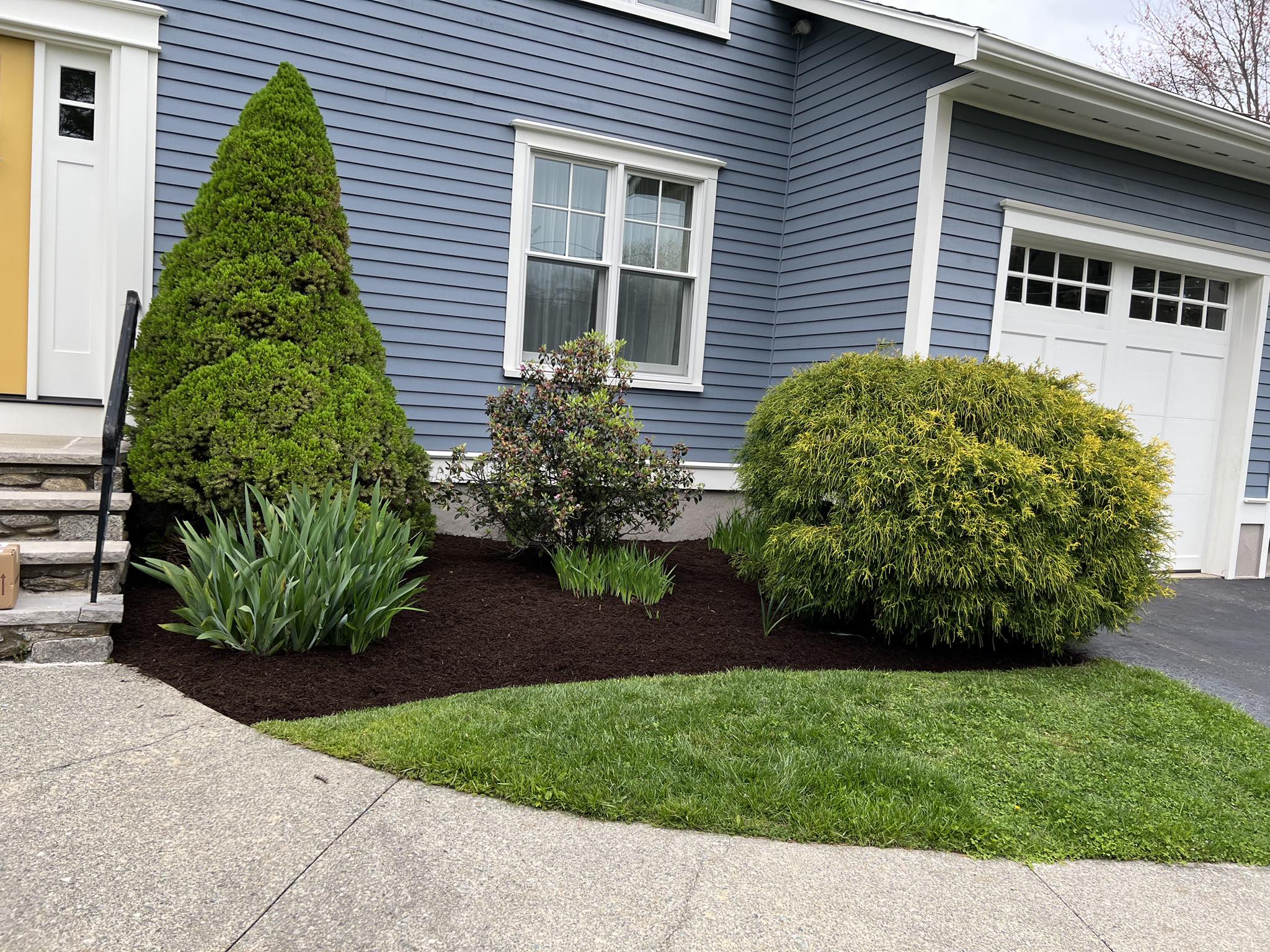
One effective way to use geometry is by integrating shapes such as squares, rectangles, and circles into your layout. These forms can outline garden beds, create pathways, or define different sections of your outdoor area. A rectangular patio surrounded by lush greenery provides a sharp contrast that emphasizes both the plants and the stonework, highlighting the strengths of each.
Patterns also play a pivotal role. A popular choice is the use of pattern paving. Consider herringbone or basket-weave designs for pathways or patios. These not only add texture and intrigue but also guide visitors through your garden, enhancing the flow of the landscape. Entering a garden with a well-constructed pathway offers a sense of predictability and calm, making the space more inviting.
For those who are interested in modern design, minimalist patterns that incorporate repetitive shapes can drastically improve aesthetic appeal. Think about using hexagonal tiles for a unique take on patio flooring, or designing plant beds with sharp diagonal edges. These subtle yet effective elements can offer a sense of modernity and cleanliness, appealing to contemporary tastes.
But geometric harmony extends beyond ground-level elements. Vertical structures like trellises, pergolas, or retaining walls can also incorporate geometric shapes. For instance, a pergola with a series of evenly spaced beams casts fascinating shadows that move throughout the day, adding dynamic beauty and depth to your outdoor space. Similarly, a stone retaining wall shaped in perfect tiers can highlight a garden's elevation, enhancing both its practicality and visual allure.
Color patterns are another aspect to consider. The use of repeating color schemes aligned with geometric forms can unify various elements of your landscape. Consider alternating colors in paving stones or using plants in concentric patterns to draw visitors’ attention.
The process of integrating geometry into landscaping plans should also involve practical considerations. Drainage, sunlight exposure, and the natural topography of your space must guide the formation of your patterns. Consulting with experts like those at D.S. Landscaping & Construction can ensure these elements are balanced with geometric designs for results that are both beautiful and sustainable.
Ultimately, using shapes and patterns thoughtfully creates an engaging outdoor space that reflects your personality and lifestyle. Whether you are planning a small urban garden or a sprawling suburban retreat, the right geometric design can transform your landscape into a piece of art that complements your home.
Our team at D.S. Landscaping & Construction is committed to crafting spaces that beautifully intersect nature and design. By harmonizing shapes and patterns, we help you create structured outdoor realms that captivate and inspire, making your outdoor living dreams a practical reality. If you're ready to transform your garden with geometric harmony, reach out to us today for a consultation.
/filters:no_upscale()/filters:format(webp)/media/d4c7fe34-f07f-44fe-8ab5-d29a013be15e.jpeg)
/filters:no_upscale()/filters:format(webp)/media/724894ee-4a04-4931-9bc1-0c679a0596f5.jpeg)