Eco-Friendly Landscaping: Creating Sustainable Outdoor Spaces That Inspire Feb 16, 2026
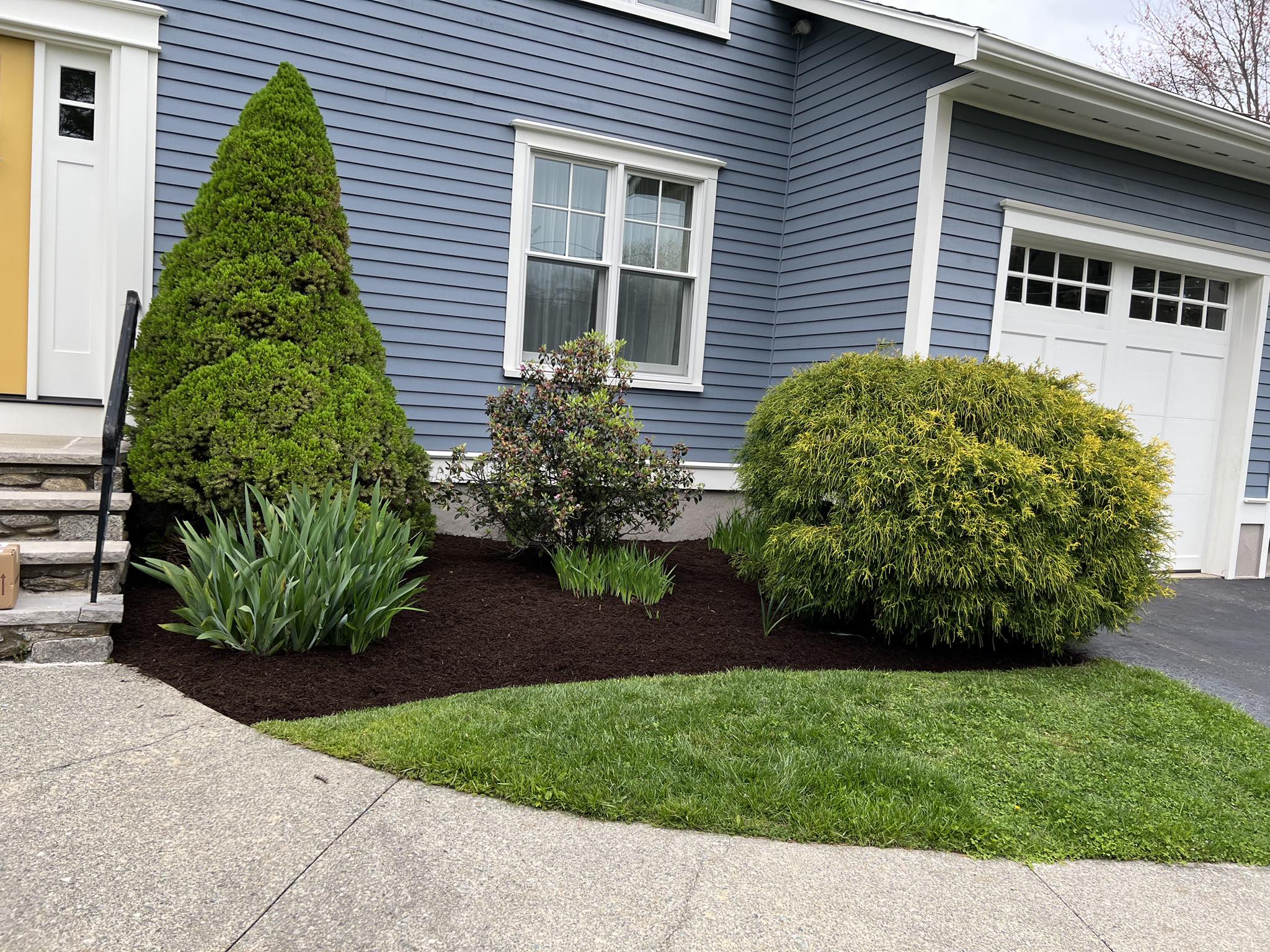
To start, consider minimizing your lawn area. Traditional expanses of manicured grass consume substantial water and necessitate frequent, resource-heavy maintenance. Instead, opt for native plants and drought-resistant ground covers. Native plants are adapted to local climates and thrive without excessive watering or chemical treatments, promoting biodiversity and reducing environmental impacts. Enthusiasts will find this approach both cost-effective and ecologically beneficial.
Implementing energy-efficient irrigation systems is another vital step. Drip irrigation and soaker hoses deliver water directly to plant roots, substantially reducing evaporation and water waste. These systems, coupled with smart controllers that adjust for weather conditions, can conserve water while keeping landscapes lush and vibrant.
Composting is an outstanding eco-friendly practice that can enrich your soil. By recycling organic waste from your kitchen and garden, you create a nutrient-rich soil amendment that reduces reliance on chemical fertilizers. Composting not only enhances plant growth and soil health but also minimizes landfill waste—a win-win situation for your garden and the planet.
Incorporating hardscapes made from sustainable materials is another impactful strategy. For example, permeable pavers allow rainwater to filter into the ground, reducing runoff and supporting groundwater replenishment. Using recycled or locally sourced materials for patios, walkways, and walls can further lessen environmental impacts and add character and authenticity to your outdoor arrangements.
Beyond plant and material choices, consider the broader ecological ethos of your landscape design. Encouraging wildlife can foster a balanced ecosystem. Planting a variety of flowering plants will attract bees, butterflies, and other beneficial creatures, aiding in pollination and contributing to a vibrant, self-sustaining garden. Bird baths, feeders, and nesting boxes can invite feathered friends to your yard, enhancing the auditory and visual appeal of your outdoor spaces.
D.S. Landscaping & Construction can guide you through rainwater harvesting, an innovative practice that can significantly cut down on water consumption. Collected rainwater can be used for irrigation and non-drinking purposes, reducing your reliance on municipal water supplies and decreasing your utility bills. Coupled with effective landscape design, rainwater harvesting can make your garden resilient even during dry spells.
When planning an eco-friendly landscape, considering the entire lifecycle of the elements involved is essential. Opt for solar-powered lighting for walkways and garden highlights to reduce energy consumption. These lights not only save electricity but also enhance the beauty and functionality of your outdoor space after dark.
In conclusion, creating sustainable outdoor spaces is both an art and a science that involves thoughtful planning and a commitment to environmental stewardship. By implementing these eco-friendly landscaping ideas, you not only improve the aesthetics and functionality of your home but also contribute to the health of our planet. D.S. Landscaping & Construction is dedicated to helping you achieve your vision of an eco-conscious garden that inspires and thrives for generations to come. Whether you're starting from scratch or updating an existing space, sustainable landscaping practices can deliver a beautiful, enduring result.
/filters:no_upscale()/filters:format(webp)/media/d4c7fe34-f07f-44fe-8ab5-d29a013be15e.jpeg)
/filters:no_upscale()/filters:format(webp)/media/724894ee-4a04-4931-9bc1-0c679a0596f5.jpeg)