Beyond Boundaries: Designing Seamless Transitions Between Urban and Natural Landscapes Jun 17, 2026
The journey begins with understanding the core principles of seamless design. The goal is to craft environments where built structures and natural landscapes coexist in harmony. This starts with a thorough site analysis, which examines existing natural features and considers the urban elements that dominate the scene. By doing so, landscape designers can integrate natural and artificial elements, respecting each area's unique characteristics.
One of the main elements in creating transitions is the use of green spaces. These areas not only serve as visual and recreational havens but also improve environmental health by reducing pollution and providing habitats for urban wildlife. D.S. Landscaping & Construction excels in strategically placing parks, green roofs, and vertical gardens, ensuring that natural beauty is always within reach, regardless of your urban location.
Another key factor is water features. Integrating water elements, such as ponds, fountains, and rain gardens, can dramatically soften the urban environment's hardness. Water has an innate calming effect, inviting people to relax and enjoy their surroundings. Beyond aesthetics, water features can play a practical role in sustainable urban drainage, reducing runoff and mitigating flood risks.
Pathways serve as the veins of well-designed landscapes, guiding movement while connecting different spaces. By employing natural materials and curvilinear designs, pathways can direct pedestrians fluidly through areas. This approach not only enhances usability but also creates a sense of exploration and discovery. Choosing sustainable materials that blend with the surroundings, such as stone, wood, or permeable pavers, helps reduce heat and increases the longevity of the landscape.
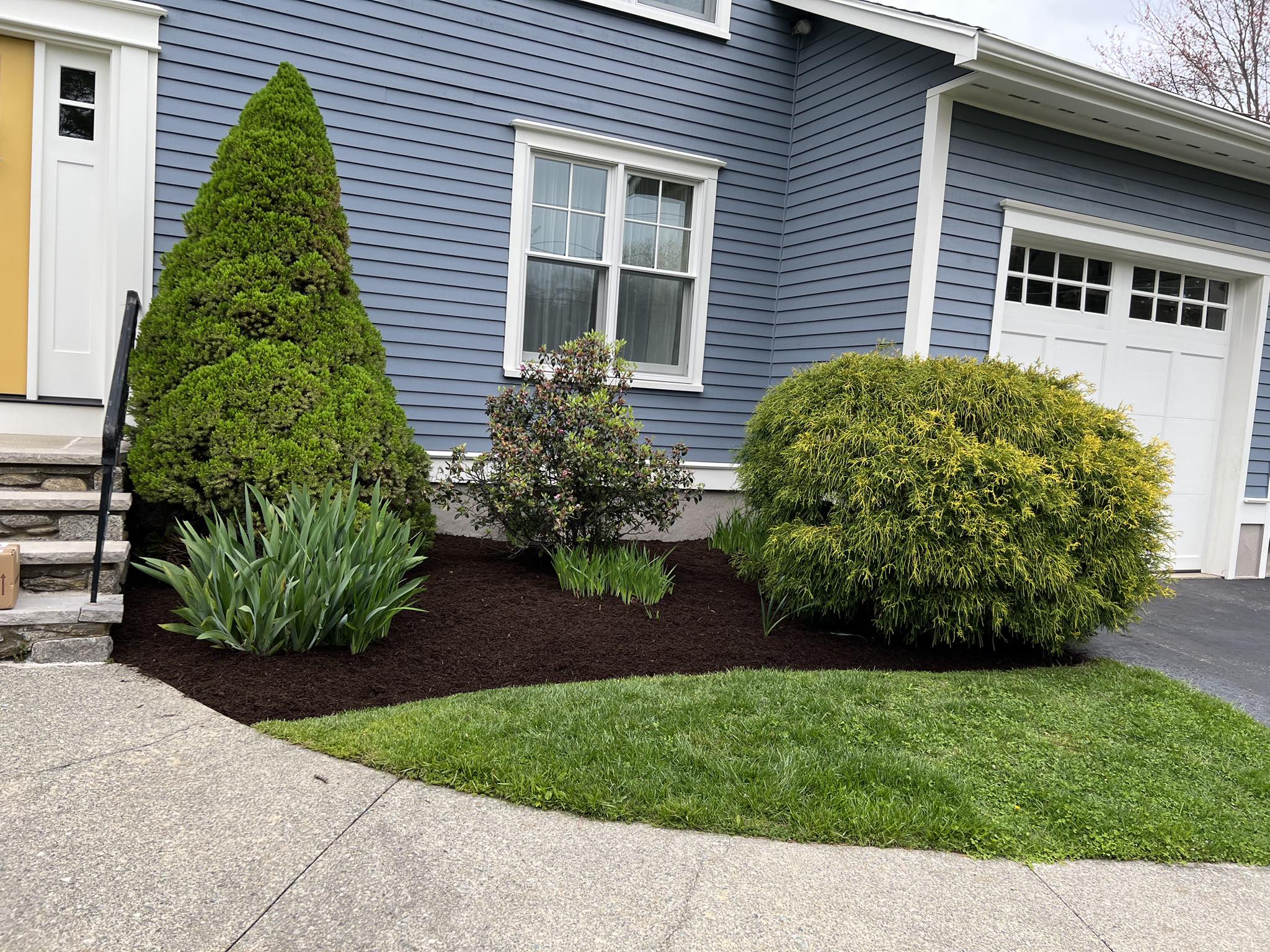
The importance of native and adaptive plant species cannot be overstated. These plants are well-suited to local climates, requiring less water and maintenance while providing habitats for local wildlife. D.S. Landscaping & Construction prioritizes the use of such vegetation, ensuring that landscapes are not only beautiful but also sustainable and biodiverse.
Lighting plays a pivotal role in transitioning between urban and natural spaces, extending the usability of these areas into the night. Thoughtful lighting design highlights pathways, architectural features, and plantings while minimizing light pollution. The result is a nighttime landscape that feels both safe and enchanting.
In conclusion, designing seamless transitions between urban and natural landscapes involves a holistic approach that harmonizes functionality, aesthetics, and sustainability. D.S. Landscaping & Construction is dedicated to guiding clients through this process, offering bespoke solutions that reflect the unique essence of each location. As city dwellers increasingly seek refuge in nature, these integrated landscapes serve not just as a visual delight but as sanctuaries that enhance everyday living. By embracing innovative design principles, cities can evolve to be greener, more sustainable, and ultimately, more liveable for all.
/filters:no_upscale()/filters:format(webp)/media/d4c7fe34-f07f-44fe-8ab5-d29a013be15e.jpeg)
/filters:no_upscale()/filters:format(webp)/media/724894ee-4a04-4931-9bc1-0c679a0596f5.jpeg)